Caribbean Food Centennial: Island Recipes Passed Down for Generations

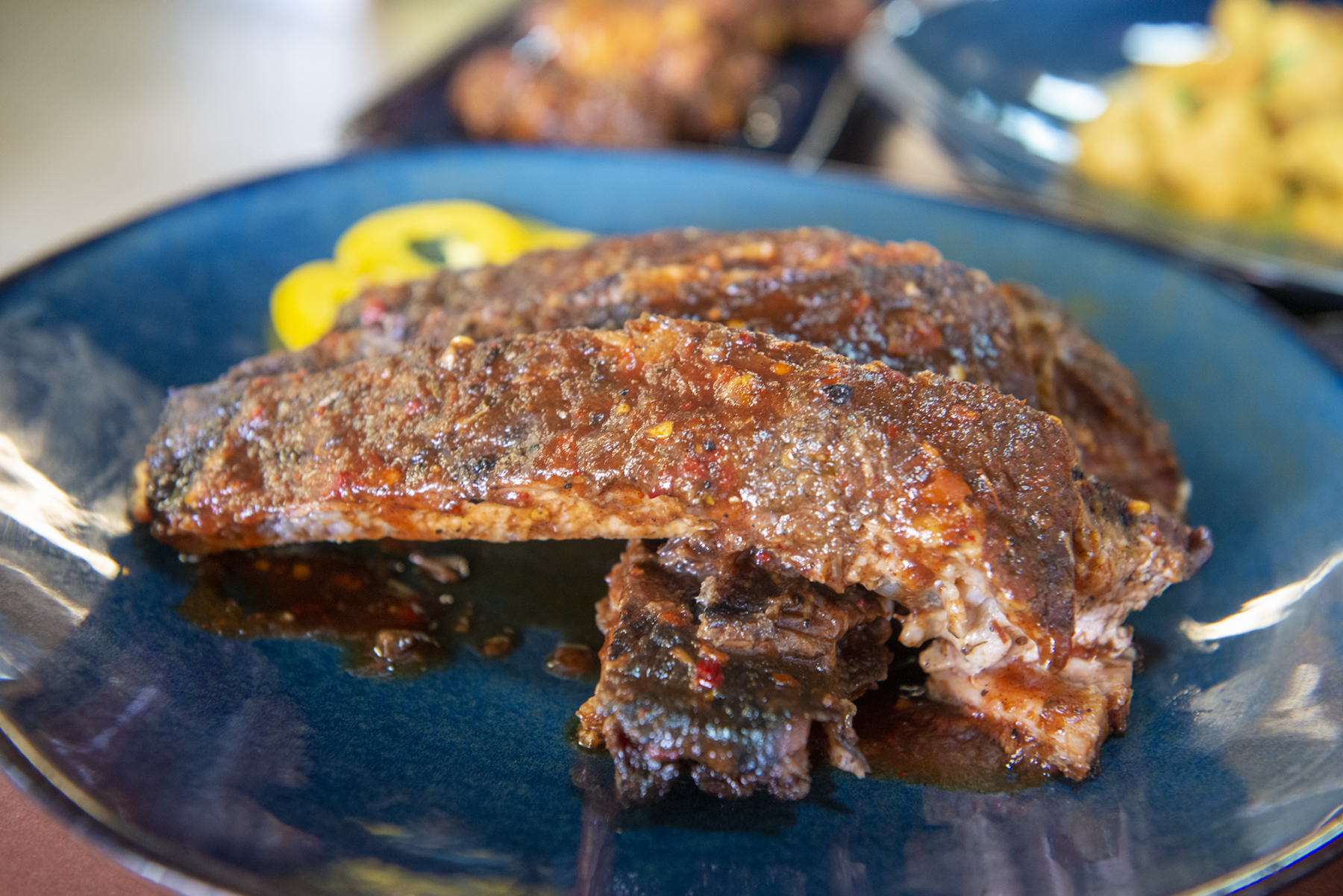
A hundred years is not very long in culinary history, but it is long enough for a dish to move from one generation's daily necessity to another generation's treasured inheritance. In the Caribbean, that transfer rarely happens through notebooks or exact measurements. It happens at the stove. A grandmother says the oil is ready when the garlic goes quiet. An uncle checks a bubbling pot by scent before he lifts the lid. A mother pinches dough and passes the motion to a child without naming it. What survives is not only a recipe, but a way of seeing food as family memory, social glue, and local intelligence.
That is what makes a Caribbean food centennial worth celebrating. It is not simply a look back at old meals. It is a recognition that island cooking has endured colonial disruption, migration, rationing, storms, changing agriculture, and the rise of mass-produced food, yet still holds its shape. The shape may bend, certainly. Ingredients shift. Techniques adapt. But the central character remains. Rice and peas still carries the fragrance of coconut and thyme into Sunday dinner. Pepperpot still tastes of patience. A good callaloo still depends on timing and restraint more than culinary theater.
The Caribbean is often flattened into a postcard cuisine of jerk, rum, and beachside grilled fish. That is a narrow reading. The region's food is broader, older, and more layered than outsiders usually realize. African knowledge of one-pot cooking, root vegetables, greens, and spice handling sits alongside Indigenous cassava traditions, European preservation methods, Indian spice blends, Chinese stir-fry influences, and Middle Eastern techniques carried by migration. The result is not a novelty platter. It is one of the world's most sophisticated creole foodways, built by necessity and sharpened by repetition.
The century inside the pot
If you ask elders across Jamaica, Trinidad and Tobago, Barbados, Guyana, Saint Lucia, Dominica, Puerto Rico, Haiti, Cuba, or the Dominican Republic about the food they grew up with, you hear a common truth. Much of it was seasonal, practical, and deeply local. A household cooked from what the yard, market, sea, river, or nearby provision ground could provide. Imported items existed, but they did not define the table in the way supermarket culture can today.
That matters because recipes that last a century usually have two qualities. They are adaptable, and they make good use of available ingredients. Saltfish became central across several islands not because it was glamorous, but because preserved cod traveled well and filled protein gaps. Ground provisions such as yam, cassava, dasheen, eddoe, sweet potato, and green banana became the backbone of meals because they grew reliably and fed many mouths. Coconut entered everything from stews to sweets because it was there, abundant and useful in every stage, from water to milk to oil.
A centennial view also shows how Sunday food differs from weekday food. Festive dishes often get the attention, and understandably. They carry ceremony. But heritage is built just as much by ordinary meals. A hearty pot of stewed lentils with rice. Fried plantain beside salt mackerel. Cornmeal cou-cou with okra. Pumpkin soup after a long morning. These foods are not lesser because they are familiar. In many families, they are the actual archive.
The oral nature of this cooking is part of its resilience. Written recipes tend to freeze a dish into a single version, while oral instruction allows a dish to stay alive. That freedom is not sloppiness. It is judgment. A cook adjusts coconut milk depending on how thick the pigeon peas are. Scotch bonnet is added according to the pepper's mood, not only its size. Cassava bread is handled according to the humidity of the day. Precision exists, but it is embodied rather than always written down.
Recipes that carry a family name
Some Caribbean dishes are so woven into family life that they function almost like surnames. Ask people what dish belongs to a particular aunt, grandfather, or godmother, and they can answer instantly. The dish becomes associated with a person because repetition creates authority. Over decades, that authority turns into lineage.
Take pelau in Trinidad and Tobago. At its best, it is not just rice, peas, meat, and coconut milk thrown into one pot. It begins with sugar carefully browned to the edge of bitterness, then rescued by seasoned meat before the caramel burns. The exact point matters. Too pale, and the pot lacks depth. Too dark, and the flavor turns acrid. Older cooks often know that stage by smell and by the way the bubbles tighten around the spoon. That kind of cue is hard to print and easy to remember once someone shows you in person.
Or consider Jamaican rice and peas, which many non-Caribbean cooks misunderstand as a weeknight side dish that can be rushed. In a well-run kitchen, it is not rushed. The peas are simmered to the right tenderness. The coconut milk is balanced so the grains absorb flavor without turning greasy. Pimento, thyme, scallion, garlic, and a whole Scotch bonnet build perfume rather than heat alone. The rice must finish fluffy, not wet, and still hold enough body to meet gravy on the plate. Families argue about whether kidney beans belong in certain contexts, and those debates are part of the inheritance too.
In Barbados, cou-cou and flying fish still represent more than national symbolism. Cou-cou, made from cornmeal and okra, demands attention and arm strength. Stir too little and it clumps. Stir too aggressively and it turns heavy. The ideal texture has lift and smoothness. Flying fish, whether steamed or lightly fried before saucing, asks for freshness and a careful hand. Older Barbadian cooks often note that the fish should taste of sea first, seasoning second. That is the kind of restraint younger cooks learn slowly because modern food culture often pushes boldness over balance.
In Guyana, pepperpot carries one of the deepest historic lines in the region. Built around cassareep, the thick, dark cassava reduction with preservative qualities, it links present-day holiday tables to Indigenous food knowledge that predates colonial rule. Good pepperpot is dark, fragrant, and layered with warming spice, often cinnamon and clove, along with wiri wiri peppers and different cuts of meat. It improves with time. Many cooks still say the second and third day are the real reward.
Across the French, Spanish, Dutch, and English-speaking Caribbean, this pattern repeats. A festive dish becomes a vessel for continuity. Technique matters. Timing matters. But what often lasts longest is the relationship around the food. Children remember who stirred, who tasted, who corrected the salt, and who insisted the pot needed ten more minutes.
What a hundred years changes, and what it does not
No inherited cuisine stays fixed for a century. The Caribbean has seen dramatic changes in farming, fishing, shipping, labor, and household life. Kerosene stoves gave way to gas and electric ranges. More women entered paid work outside the home, which compressed cooking time. Migration to London, Toronto, New York, and Miami altered access to ingredients and created a new market for bottled green seasoning, frozen breadfruit, canned callaloo, and curry powders blended for diaspora kitchens.
Purists sometimes dismiss these adjustments too quickly. A cook in Brooklyn cannot always source the same pumpkin as a cook in rural Saint Vincent. A family in Birmingham may use turkey necks where their grandparents used salted pig tail. Diaspora adaptation is not always decline. Sometimes it is intelligent preservation. A dish survives because someone found a workable substitute and refused to let the method disappear.
Still, some changes come with losses. Commercial seasoning blends can flatten flavor. Lean modern chickens do not always behave like older village birds that needed slower cooking and rewarded patience. Imported vegetables can lack the intensity of small-scale produce grown in mineral-rich soils. Bread made for shelf life does not absorb soup or saltfish gravy the way fresh local loaves do. These are not romantic complaints. They are practical observations about ingredients and texture.
There is also the challenge of time. Traditional Caribbean dishes often assume a long horizon. Beans are soaked. Coconut is cracked and grated. Meat is washed, trimmed, seasoned, and left to rest. Broth is built from bones, not powder. Green fig is boiled, cooled, and dressed. Black cake fruit is soaked for weeks or months. These are not impossible acts, but they resist the pace of modern convenience.
That tension is at the heart of any serious discussion of a Caribbean food centennial. The question is not whether recipes should evolve. They always have. The real question is how to evolve them without stripping away the cues that make them taste like themselves. A pressure cooker can shorten peas and stew time without harming the result. Pre-grated frozen coconut can perform well in many preparations. But if a cook starts replacing thyme, scallion, fresh pepper, and proper browning with generic seasoning salt, the dish may remain recognizable in name only.
The pantry of memory
One of the strongest continuities in Caribbean cooking is the pantry itself. Not merely ingredients, but habits of keeping. Even families with modest means have often maintained a small but strategic set of staples that allows a meal to come together under pressure. Rice. Flour. Cornmeal. Dried peas or lentils. Saltfish or smoked herring. Hot pepper. Thyme. Onion. Garlic. Coconut in some form. A few tins for emergencies. Something starchy. Something preserved. Something fresh if possible.
This pantry reflects a region shaped by uncertainty, from storms to uneven supply chains. Cooks learned to make meals flexible enough to absorb disruption. If there was no fresh fish, caribbean food centennial there might be salt cod. If bread was scarce, there might be boiled dumplings or roast bakes. If meat was limited, there were greens, pumpkin, and beans to build substance. That pragmatism deserves more credit than it gets. Too often, heritage cooking is presented only as sentimental tradition, when it is also a record of material intelligence.
The seasoning base in many islands tells the same story. Green seasoning in Trinidad and parts of the southern Caribbean, epis in Haiti, sofrito in Spanish Caribbean kitchens, and closely related herb pastes elsewhere all serve a similar purpose. They concentrate fresh aromatics into a ready foundation. They save time, yes, but they also create consistency. A spoonful in a pot can pull a weekday meal closer to the flavor profile of an elder's kitchen. The details vary, cilantro in one household, culantro in another, more celery here, more thyme there, but the logic is shared.
Sweets deserve a place in this memory too. Coconut drops, tamarind balls, cassava pone, toto, tablet, guava cheese, black cake, bread pudding, sweet potato pudding, and sugar cakes are not just desserts. Many were built from thrift, preserving techniques, and the desire to make a little abundance last. Dense textures, strong spice, and assertive sweetness made sense in humid climates and busy households. A proper piece of black cake, rich with soaked fruit and burnt sugar, can hold a room silent for a moment. That is heritage doing its work.
The role of migration in keeping old food alive
One irony of Caribbean culinary history is that migration, which can weaken some traditions, has also protected others. Families who leave home often cling more tightly to ceremonial foods because those dishes anchor identity in a new place. A Christmas ham glaze, a bowl of sorrel, a pot of souse on a Saturday, or buns for Easter become non-negotiable markers of belonging.
This preservation is not always exact. In Toronto, I have seen cooks use greenhouse thyme in winter, canned pigeon peas, and frozen breadfruit and still produce food with remarkable integrity because they respected sequence and seasoning. In London, some of the finest patties come from bakers who learned through repetition in immigrant neighborhoods, not from culinary schools. In New York, Puerto Rican and Dominican home cooks keep sofrito traditions alive despite apartment kitchens and limited time. Technique migrates surprisingly well when there is enough will.
Migration also creates cross-island influence. A Jamaican family may adopt Trinidadian doubles into regular rotation. A Guyanese cook may borrow a Bajan approach to macaroni pie. A Dominican household may begin using a Scotch bonnet technique learned from a Lucian neighbor. Purity is often overstated in conversations about tradition. Caribbean food has always moved. The important thing is not to prevent movement, but to recognize when exchange deepens a cuisine and when commercialization thins it out.
Why some dishes survive and others fade
Not every beloved dish makes it cleanly into the next generation. The ones that survive usually have one or more of these advantages:
- They fit modern schedules without losing too much character.
- Their ingredients remain available or easily substituted.
- They are tied to holidays, rites, or family identity.
- Someone in the family insists on teaching them.
- They still taste unmistakably worth the effort.
That last point matters. No amount of nostalgia can save a dish that no one enjoys eating. Heritage food survives because, at its best, it remains deeply satisfying. A flaky beef patty still gives pleasure. So does a bowl of fish tea built on proper stock, green banana, and fresh herbs. So does conch fritter batter with enough conch to taste the sea, not just flour and seasoning. Memory may invite the first bite, but flavor secures the second.
Some dishes fade because labor gets detached from meaning. Younger cooks may admire cassava processing or handmade coconut milk in theory, yet avoid the work if the final dish appears rarely or feels disconnected from ordinary life. Teaching helps, but only if it includes context. A child is more likely to value pone or ducana if they know when it was eaten, who made it, and what made it special. Food memory needs narrative.
Restaurants play a mixed role here. They can preserve visibility, but they often simplify for speed. A menu item labeled "island stew" may deliver broad seasoning without the patience of a home pot. Commercial kitchens also standardize recipes in ways that can erase family variation. There is nothing wrong with standardization when the food is good, but it cannot be the sole keeper of tradition. Home kitchens remain essential because they preserve nuance, disagreement, and improvisation.
Keeping the next hundred years honest
If there is one practical lesson in a Caribbean food centennial, it is that preservation requires use. Recipes passed down for generations do not stay alive by being admired. They stay alive by being cooked, corrected, tasted, argued over, and cooked again.
A family does not need a perfect archive to do this well. It needs intention. Ask elders how they know when a stew is properly reduced. Record the ratio they use for dumpling dough, even if they describe it in cups one day and by feel the next. Notice what they never skip, the leaf of thyme tucked whole into the rice, the squeeze of lime on fish before seasoning, the insistence on resting fried bakes before splitting them open. These details often matter more than broad ingredient lists.
The best younger cooks I have seen do not imitate blindly, and they do not modernize recklessly. They pay attention to what gives a dish its identity. If they shorten one step, they protect another. If they substitute an ingredient, they preserve texture and balance. If they lighten a recipe for health reasons, they make sure the food still tastes like it belongs on the same table as its ancestors.
There is room for refinement. Less salt where older preservation habits made it necessary. Better oil choices where appropriate. More respect for vegetables that were once dismissed as side material when they can carry a meal beautifully on their own. But refinement works only when rooted in understanding. A cook who has never tasted properly made mannish water, fungi, or rundown is not yet in a strong position to reinvent them.
What the Caribbean offers, after a century of passed-down island recipes, is more than nostalgia and more than trend. It offers a model of cooking that values resourcefulness without sacrificing pleasure. It understands that food can be frugal and still generous, improvised and still exacting, communal and still deeply personal. It knows that flavor is rarely accidental. It is built from repetition, memory, and judgment.
That is why these recipes endure. Not because they are frozen in time, but because they continue to answer real needs, hunger, celebration, identity, and the human desire to taste where one comes from. A pot of rice, peas, coconut, thyme, and pepper on a Sunday stove can hold a hundred years quite comfortably. So can a slice of black cake, a bowl of pepperpot, a plate of cou-cou, or a pan of macaroni pie lifted from the oven and set in the center of the table. The dishes vary by island, but the inheritance is shared. Feed people well, remember who taught you, and keep the pot moving.
Reggae Pot Jamaican Grill
Address: 7562 S University Blvd Unit C, Centennial, CO 80122
Phone: (303) 997-5623
FAQ About caribbean food centennial
What Jamaican dishes can I try in Centennial?
Reggae Pot Jamaican Grill serves Jamaican specialties such as jerk chicken, stewed oxtail, curry goat, and ackee and saltfish. Check the current menu for availability.
What is ackee and saltfish?
It is Jamaica’s national dish. The restaurant prepares ackee with salted cod, onions, thyme, tomatoes, garlic, black pepper, and pimento.
Can I order Jamaican food for pickup in Centennial?
Yes. Choose the Centennial location at 7562 S University Blvd Unit C when placing a takeout order.