Caribbean Food Centennial: Traditional Dishes Worth Celebrating
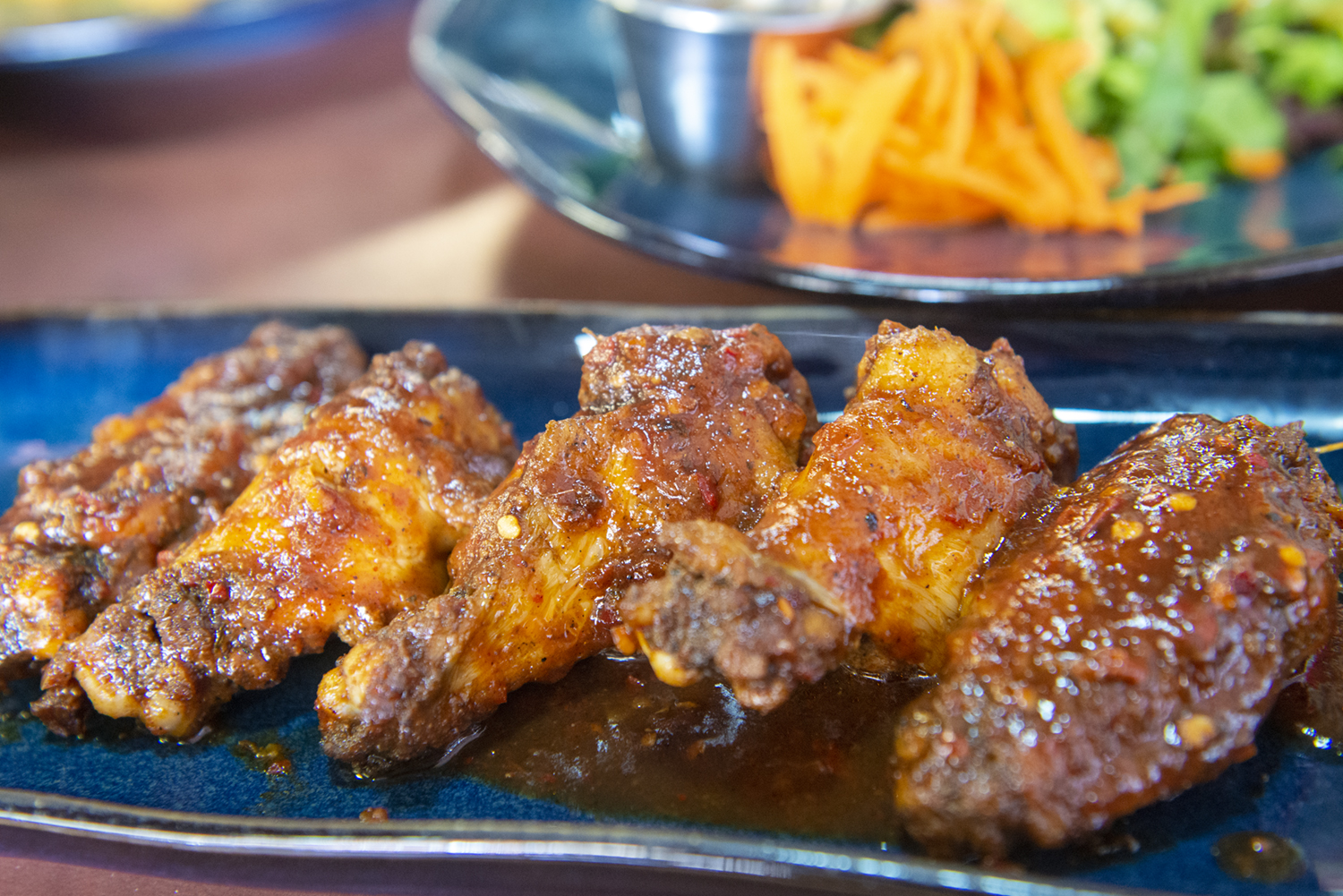
A centennial invites a certain kind of looking back. Not nostalgia for its own sake, but a careful accounting of what has endured, what has adapted, and what still tastes unmistakably like home. When people talk about a caribbean food centennial, they are really talking about far more than recipes. They are talking about memory stored in pots, in spice blends, in market habits, in the instinct to taste a sauce with the back of a spoon and add one more pinch of thyme.
Caribbean cooking has always resisted neat summary. It is indigenous, African, European, Indian, Chinese, Levantine, and deeply local all at once. A plate can hold traces of forced migration, colonial trade routes, agricultural improvisation, and family pride. That is part of what makes the region’s food so compelling. A dish that seems simple on the surface often carries a century, or several centuries, of technique and survival.
Across the islands, cooks have learned how to build flavor from what the land and sea offer in abundance: cassava, plantains, yams, rice, pigeon peas, saltfish, goat, conch, coconut, allspice, Scotch bonnet, thyme, sour orange, annatto, and cane sugar in one form or another. Some traditions are ceremonial and slow. Others came from the practical demands of field labor, fishing, or feeding large families on tight budgets. Nearly all of them reward patience.
What follows is not a definitive ranking. Caribbean food does not lend itself to easy hierarchies, and anyone who has spent time eating across the region knows how quickly a “best dish” argument can become affectionate and fierce. These are dishes worth celebrating because they remain alive in kitchens and communities, and because each one tells a different chapter of the Caribbean story.
Why the classics still matter
Traditional dishes survive because they do useful work. They feed crowds, stretch ingredients, travel well, hold heat, anchor holidays, and make people feel seen. That practicality matters. The most beloved foods in the Caribbean are rarely fussy. They are direct, generous, and confident in their identity.
They also reveal the region’s habit of transforming constraint into abundance. Salted cod became breakfast. Tough cuts became tender stews. Ground provisions, once treated by outsiders as humble staples, became the backbone of celebratory meals. A heavy pot, a few aromatics, and time over flame have built some of the greatest flavors in the hemisphere.
If there is one lesson in any caribbean food centennial reflection, it is that continuity depends on repetition. A child watches a grandmother peel green bananas, grate cassava, or season chicken before dawn for Sunday lunch. Years later, the movement of the hands remains. Measurements may stay unwritten, but the dish survives.
Pepper pot, a stew with remarkable staying power
Pepper pot deserves more attention in global food conversations than it usually gets. In Guyana especially, it is one of the great celebratory dishes, often associated with Christmas morning, though it appears beyond that setting too. At its core, pepper pot is a dark, rich meat stew seasoned with cassareep, the bittersweet reduction made from cassava juice that gives the dish its depth, color, and distinctive edge.
The first time many people encounter pepper pot, they notice its aroma before they understand its complexity. Clove, cinnamon, hot pepper, and cassareep create a scent that is almost festive on its own. The meat, often beef and sometimes a combination depending on the household, is caribbean food centennial simmered until the sauce clings and darkens. Served with homemade bread, plait bread, or dense rolls, it becomes the kind of meal that slows a room down.
What makes pepper pot worth celebrating over a hundred years and more is its balance of preservation and pleasure. Cassareep historically helped keep the stew stable for longer periods, which mattered in earlier domestic settings. Yet no one still cooks pepper pot merely because it is practical. It remains because nothing else tastes quite like it. That is a recurring truth in Caribbean cuisine. Function may start the story, but flavor is what protects the tradition.
Ackee and saltfish, the breakfast that carries a nation
Jamaica’s ackee and saltfish is one of the region’s most recognizable national dishes, and for good reason. Properly cooked ackee is delicate, buttery, and softly scrambled in texture. Saltfish brings salinity and structure. Onion, tomato, Scotch bonnet, sweet pepper, and thyme round out the dish without overwhelming it.
This is a dish that rewards restraint. Overcook ackee and it loses its soft curd-like quality. Oversalt the cod and the whole pan becomes harsh. The best versions feel light but deeply savory, often served with fried dumplings, roasted breadfruit, green banana, or yam. In many Jamaican homes, it is less a restaurant spectacle than a serious breakfast with standards attached.
Ackee and saltfish also captures the Caribbean habit of making imported or preserved ingredients feel entirely local. Salt cod arrived through colonial trade and became embedded in island cooking. Ackee, originally from West Africa, found a natural home in Jamaica. The pairing now feels inevitable, even though it arose from long and complicated histories of movement. That ability to absorb and redefine outside influences is part of the region’s culinary intelligence.
Callaloo, more than one dish and more than one island
Callaloo is the kind of Caribbean food that reminds outsiders not to flatten the region into a single culinary map. Depending on where you are, callaloo may refer to a soup, a side dish, or a leafy preparation built around different greens. In Trinidad and Tobago, callaloo is often a velvety dish made with dasheen bush, okra, coconut milk, aromatics, and sometimes crab. In Jamaica, callaloo usually refers to sautéed leafy greens, often cooked with onion, tomato, garlic, and peppers.
Both expressions are traditional. Both are deeply rooted. Both speak to an older agrarian intimacy with the land. Dishes like callaloo matter because they preserve a local understanding of edible greens that industrial food culture often ignores. They also demonstrate the Caribbean preference for cooking vegetables with body and seasoning rather than treating them as an afterthought.
A good Trinidadian callaloo should have depth without heaviness. The okra gives it a silkiness some diners love and others need time to appreciate. Crab adds sweetness and marine richness when used. Jamaican callaloo, by contrast, is brisker and more direct, a breakfast or side dish that can sit next to almost anything on the plate. Different forms, same underlying principle: build bold flavor around what grows well.
Pelau and rice dishes that carry the table
Every region has dishes that quietly do the work of community, and in much of the Caribbean, rice does that work. Trinidadian pelau is one of the finest examples. Chicken or beef is browned, often in caramelized sugar for color and depth, then cooked with rice, pigeon peas, coconut milk, and a green seasoning mixture that can vary by household. The final pot should be moist but not wet, integrated rather than separated, fragrant without becoming floral.
Pelau is a dish of judgment. The sugar can tip from dark to burnt in seconds. The rice needs enough liquid to cook properly without turning mushy. The meat must season the grains rather than simply sit among them. In the right hands, it becomes one of those “one pot” dishes that tastes far more sophisticated than its label suggests.
Elsewhere in the region, rice and peas in Jamaica, arroz con gandules in Puerto Rico, and moro-style rice traditions in Cuba serve related roles. They are not interchangeable, and locals will rightly insist on their distinctions, but they share an important cultural function. They center the meal. They absorb gravies. They make room for side dishes and proteins. They are at once daily food and celebratory food, which is often how culinary longevity is secured.
Flying fish and cou-cou, the elegance of Barbados
Barbados gives the Caribbean one of its most emblematic pairings in flying fish and cou-cou. Cou-cou, usually made from cornmeal and okra, is stirred until smooth and shaped with a formality that tells you this is not merely filler. Flying fish, lightly seasoned and often steamed or fried depending on the preparation, brings a clean marine flavor that suits the starch perfectly.
This dish is worth celebrating because it shows how disciplined simplicity can be. There is nowhere to hide. The fish must be fresh. The seasoning must be balanced. The cou-cou must be lump-free and cooked through. It is a plate built on technique rather than excess.
In many conversations about heritage cuisine, the spotlight falls too easily on the loudest dishes, the hottest sauces, the most visibly indulgent platters. Flying fish and cou-cou reminds us that refinement exists within Caribbean tradition too. It is a dish that feels ceremonial without being showy, and that combination is rarer than it looks.
Sancocho, where patience becomes flavor
Across the Spanish-speaking Caribbean, sancocho holds a revered place. In the Dominican Republic especially, it is a substantial stew built with meats, root vegetables, plantains, pumpkin, and broth seasoned with herbs and aromatics. It is food for gatherings, for rainy days, for long family afternoons when people linger near the stove and lift the lid more often than necessary.
The dish succeeds because the ingredients give to one another over time. The starches thicken the broth slightly. The meats enrich it. The herbs lighten what could otherwise become too dense. A proper bowl feels restorative in the old-fashioned sense of the word. It satisfies hunger, certainly, but it also steadies people.
Sancocho also illustrates something important about Caribbean cooking: abundance is often layered, not lavish. A pot may contain several meats, but that does not mean waste or excess. It means each ingredient contributes a different note. One brings richness, another texture, another clean savoriness. The same logic appears in many heritage dishes across the islands, where combinations developed not from extravagance but from careful use of what was available.
Oil down and the flavor of a whole island pot
Grenada’s oil down is one of the Caribbean’s great communal dishes, and it has the kind of name that immediately signals local logic. Breadfruit, salted meat or fresh meat, dumplings, callaloo or leafy greens, turmeric, coconut milk, and spices are layered and simmered until the liquid reduces and everything takes on a concentrated, almost candied savor. The “oil” is the coconut richness left behind as the pot cooks down.
There is no shortcut to good oil down. Breadfruit must be mature enough to hold shape. Coconut milk needs to be full-flavored, not thin. Seasoning must penetrate every layer. A rushed pot tastes disjointed. A proper one tastes unified, as if the ingredients agreed in advance to become more than themselves.
What makes oil down especially significant in any caribbean food centennial discussion is how perfectly it represents island cooking as a social act. This is not solitary food. It belongs to gatherings, to outdoor fires, to weekends, to people checking the pot and offering opinions. Dishes that demand collective attention often survive longest because they create the occasions that keep them relevant.
Roti, a story of migration turned regional staple
No serious survey of traditional Caribbean food can ignore roti. In Trinidad and Tobago, and throughout Caribbean diaspora communities, roti is both bread and meal structure. Its presence owes much to Indian indentured laborers whose culinary traditions became inseparable from the region’s evolving food culture. Over time, techniques adapted, fillings localized, and styles multiplied.
Buss up shut, dhalpuri, and paratha-style variations each have their own texture and purpose. Wrapped around curried goat, chicken, channa, potato, or pumpkin, roti becomes portable, comforting, and deeply satisfying. What looks casual is actually technical. A good dhalpuri needs a soft dough, properly ground split peas, and enough skill at the griddle to keep the bread supple. A good curry needs balance, not just heat.
Roti matters because it demonstrates how Caribbean food traditions are built not caribbean food centennial reggaepotjamaicangrill.com by purity but by rooted adaptation. A form travels. A local version emerges. Then, over decades, people defend it as if it had always belonged. In culinary terms, that is not contradiction. It is success.
Fungi, funche, and the enduring wisdom of cornmeal
Cornmeal appears all over the Caribbean under different names and in different textures. In Antigua and Barbuda, fungi is a key accompaniment to pepperpot or saltfish. In parts of the French Caribbean and beyond, related forms show up with fish, stews, or vegetable sauces. These dishes are often underestimated by people who have not eaten them well.
That is a mistake. Properly cooked cornmeal preparations are not bland placeholders. They are absorbent, structured, and deeply satisfying when paired with strong sauces or broths. They also carry agricultural and economic history. Cornmeal was accessible, storable, and adaptable, which made it indispensable across households of varying means.
What keeps these dishes alive is not trendiness but utility paired with familiarity. A plate of salted fish with fungi can feel as culturally complete as any holiday spread. Heritage food does not always announce itself with drama. Sometimes its longevity is the result of fitting seamlessly into daily life for generations.
Sweet traditions deserve equal respect
Savory dishes often dominate conversations about national food, but Caribbean sweet traditions hold just as much historical weight. Black cake, cassava pone, sweet potato pudding, grater cake, coconut drops, guava duff, and Haitian pain patate all carry family signatures that are immediately recognizable to those who grew up with them.
Black cake alone can spark a whole debate about texture, rum content, fruit soaking, and density. Some households want it dark enough to border on bittersweet. Others prefer a lighter hand. Cassava pone should be moist, not gummy. Coconut-based sweets need the right balance between chew and tenderness. These are not trivial distinctions. They are markers of skill and identity.
Desserts often preserve older methods because people are reluctant to tamper with ceremonial baking. A Christmas cake recipe may remain nearly unchanged for decades. A pudding may still be baked in the same pan a grandmother used. In that sense, sweets can become some of the strongest archival records in a family kitchen.
The ingredients that define the region
If a centennial celebration honors dishes, it should also honor ingredients. Caribbean food would not be itself without the assertive perfume of thyme, scallion, onion, garlic, and Scotch bonnet. It would lose part of its soul without coconut milk, allspice, cassava, pigeon peas, breadfruit, and plantains. Even condiments matter, from pepper sauces to green seasoning pastes to pickled accompaniments.
What distinguishes experienced Caribbean cooks is often less about formal recipes and more about ingredient handling. They know when thyme should steep gently and when it should be removed. They know the difference between heat that flatters and heat that dominates. They know which root vegetables can survive a long simmer and which should go in later. They understand that a salted ingredient must be desalinated enough to become usable but not so much that it loses character.
Those small decisions are where heritage lives. Not in broad labels, but in applied judgment.
Keeping the dishes alive beyond celebration days
A food tradition survives when it leaves the museum and stays in the kitchen. That means teaching younger cooks how to season by smell, how to tell when dough is ready by touch, how to choose a ripe breadfruit, how to clean greens properly, how to judge a stew by the way the fat rises and settles. Written recipes help, but embodied knowledge matters more.
There is also the question of adaptation. Not every household today has access to the same ingredients, and not every cook has the time for all-day preparation. That reality does not have to signal decline. Some substitutions are sensible. Frozen grated cassava may stand in for fresh when necessary. A pressure cooker can shorten cooking times without ruining a stew. Diaspora cooks often learn to work around what their local markets stock.
Still, there are trade-offs. Some ingredients lose nuance when replaced. Coconut milk from a carton does not always behave like freshly extracted coconut milk. Commercial spice blends can flatten a curry that would taste brighter with whole spices and fresh aromatics. The key is honest judgment rather than rigid purism or careless compromise.
A few habits make a real difference when preserving these traditions:
- Cook at least one heritage dish often enough that it becomes instinctive.
- Learn the original flavor profile before attempting modern shortcuts.
- Ask older relatives specific questions, especially about texture and timing.
- Buy from Caribbean markets when possible, because ingredient quality changes outcomes.
- Treat side dishes and condiments as essential, not optional.
That last point is easy to overlook. A meal of escovitch fish without the right sharpness, or a plate of pelau without proper pepper sauce, can feel unfinished. Traditional food is often an ecosystem rather than a single recipe.
A hundred years on the plate
The best Caribbean dishes have never depended on novelty. They survive because they satisfy at every level. They taste good, certainly, but they also organize family life, mark holidays, reward labor, and carry stories across migration and time. A century of celebrating them is not excessive. If anything, it is overdue.
To sit down with pepper pot, ackee and saltfish, callaloo, pelau, flying fish and cou-cou, sancocho, oil down, roti, or fungi is to encounter a cuisine that knows exactly what it is doing. These dishes were not assembled to impress outsiders. They were shaped by people who understood ingredients, hardship, weather, appetite, and the importance of feeding others well.
That is why a caribbean food centennial matters. It gives proper attention to culinary traditions that have long deserved more serious appreciation, not as curiosities or vacation pleasures, but as fully developed foodways with range, discipline, and historical depth. The dishes worth celebrating are the ones that still make someone say, after the first bite, that this tastes like where they come from. In the Caribbean, that is praise of the highest order.
Reggae Pot Jamaican Grill
Address: 7562 S University Blvd Unit C, Centennial, CO 80122
Phone: (303) 997-5623
FAQ About caribbean food centennial
What Jamaican dishes can I try in Centennial?
Reggae Pot Jamaican Grill serves Jamaican specialties such as jerk chicken, stewed oxtail, curry goat, and ackee and saltfish. Check the current menu for availability.
What is ackee and saltfish?
It is Jamaica’s national dish. The restaurant prepares ackee with salted cod, onions, thyme, tomatoes, garlic, black pepper, and pimento.
Can I order Jamaican food for pickup in Centennial?
Yes. Choose the Centennial location at 7562 S University Blvd Unit C when placing a takeout order.